10 Commandments of Concealed Carry That Every Gun Owner Should Follow
Article by Guest Contributor: Concealed Coalition | ConcealedCoalition.com
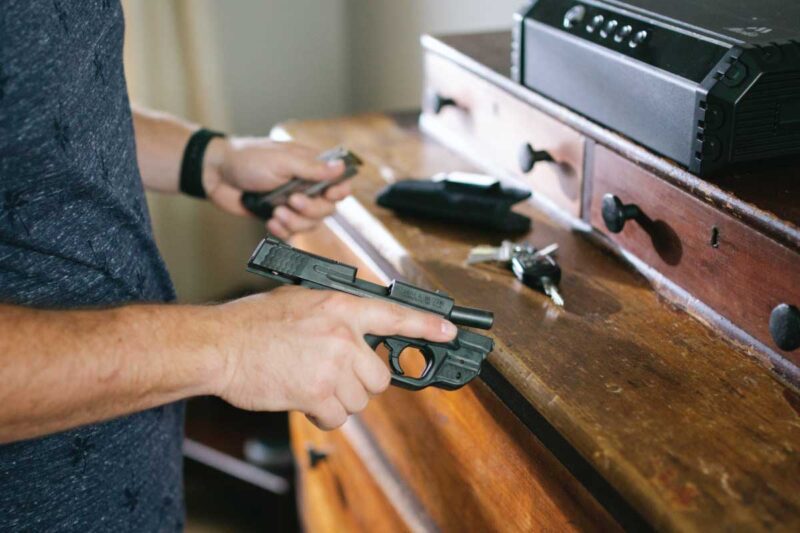
Carrying a concealed firearm is more than just exercising a constitutional right – it’s a serious responsibility. The decision to carry affects not only your safety but also the safety of those around you. Whether you’re new to concealed carry or have been practicing it for years, following proven guidelines helps ensure you remain safe, legal, and prepared in any situation.
Here are Ten Rules of Concealed Carry that Every Responsible Gun Owner Should Know.
1. Know Concealed Carry Laws and Reciprocity Agreements
Laws governing concealed carry vary greatly between states and can even differ from one city or county to another. Understanding these laws is not optional; it’s essential.
Before carrying, research your state’s requirements for permits, restrictions on where firearms can be carried, and rules for use of force. If you travel, check reciprocity agreements to confirm whether your permit is recognized in other states. Laws can change, so make it a habit to review updates regularly. Staying informed not only protects you legally but also ensures you’re carrying responsibly.
2. Choose the Best Concealed Carry Firearm for You
Not every firearm is ideal for concealed carry. Size, weight, caliber, and ease of concealment all matter when selecting the right weapon. A gun that’s too large may be uncomfortable to carry, while one that’s too small might not be effective for defensive use.
The best choice is one you can comfortably conceal, confidently handle, and reliably operate under stress. Once you’ve chosen your firearm, commit to training with it frequently so that its operation becomes second nature.
3. Invest in Quality Concealed Carry Holsters and Gear
A reliable holster is as important as the firearm itself. It should secure your gun in place, cover the trigger guard completely, and allow for safe, quick access when needed. Avoid flimsy or poorly made holsters, as they can compromise safety.
Concealment also depends on your wardrobe and gear. A good belt, clothing designed for carry, and accessories like magazine holders make a big difference in both safety and comfort. Cutting corners on equipment often leads to frustration, or worse, unsafe situations.
4. Practice Situational Awareness While Carrying
Carrying concealed means you have an added responsibility to be aware of your surroundings. This doesn’t mean being paranoid, but it does mean paying attention to what’s happening around you.
Good situational awareness allows you to avoid dangerous situations before they escalate. Whether you’re walking through a parking lot at night or standing in a crowded public place, staying alert reduces the chances that you’ll ever need to draw your firearm.
5. Train Consistently with Realistic Concealed Carry Drills
Training shouldn’t end once you’ve received your permit. Owning and carrying a firearm is a skill that requires continuous development.
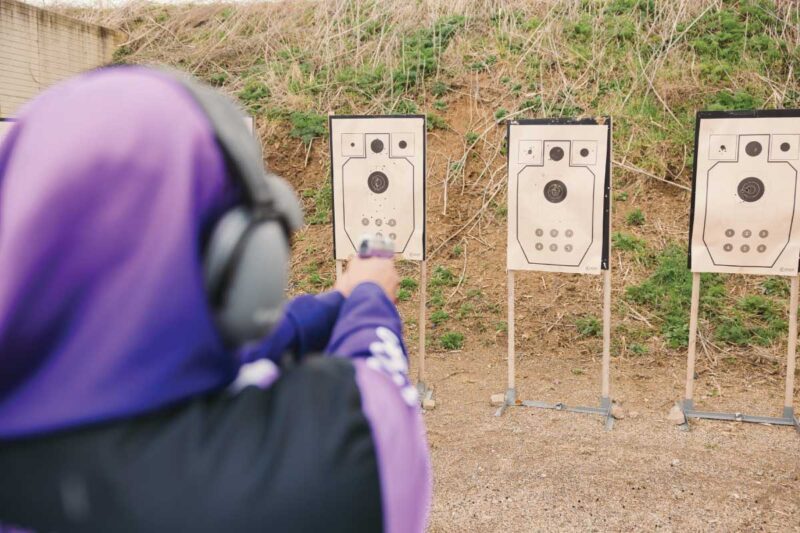
Regular range practice, dry fire drills at home, and scenario-based training all help build muscle memory and improve decision-making under stress. Incorporate movement, reloads, and realistic scenarios rather than standing stationary at a target. The more prepared you are, the more effectively you can respond if the unthinkable happens.
6. Carry with a Defensive Mindset, Not an Offensive One
A concealed firearm is a tool of last resort, not a badge of authority. The primary purpose of carrying is to defend yourself and others when no other option exists.
Carrying with a defensive mindset means avoiding unnecessary conflict whenever possible. If you can walk away, de-escalate, or remove yourself from a situation safely, that’s always the preferred choice. Concealed carry is about protection, not intimidation.
7. Protect Your Concealed Carry Permit and Privacy
Your concealed carry permit is a legal document that grants you the right to carry, so protect it like you would your driver’s license or passport. Keep it current and store any related paperwork in a safe place.
Equally important is protecting your privacy. Broadcasting that you carry, whether in casual conversation or on social media, compromises the “concealed” aspect of concealed carry. The more discreet you are, the safer and more effective you’ll be.
8. Commit to Lifelong Learning as a Responsible Gun Owner
Firearms technology, self-defense tactics, and laws are constantly evolving. Staying current requires an ongoing commitment to education.
Consider attending advanced training courses, reading updated legal resources, and connecting with other responsible gun owners to share insights. Carrying concealed is a lifelong responsibility, and the best carriers are those who never stop learning.
9. Always Follow Safe Firearm Handling Rules
No matter how experienced you become, never let go of the fundamentals of firearm safety. Treat every gun as if it’s loaded, keep your finger off the trigger until ready to fire, and never point your firearm at anything you don’t intend to destroy.
Carrying concealed doesn’t change these core principles. Rather, it makes them even more important. By reinforcing safe handling habits every time you carry, holster, or draw, you reduce the risk of accidents and model responsible behavior for others.
10. Plan Ahead for the Legal and Emotional Aftermath
The responsibility of concealed carry doesn’t end when a defensive encounter is over. If you ever have to use your firearm, the moments that follow are just as critical as the event itself.
Know ahead of time how to safely re-holster once the threat is neutralized, how to contact law enforcement, and how to clearly communicate that you are the lawful carrier who acted in self-defense. Having a plan for the legal, emotional, and practical aftermath helps prevent panic and ensures you handle the situation responsibly.
To Sum It Up
Concealed carry is both a privilege and a responsibility. By following these ten concealed carry rules—knowing the law, choosing the right firearm, investing in quality gear, staying aware, training consistently, carrying defensively, protecting your privacy, committing to lifelong learning, maintaining safe firearm handling habits, and having a plan for the aftermath—you set yourself up for safe and responsible carry.
The goal isn’t just to carry, it’s to carry with confidence, competence, and accountability. When you do, you uphold the highest standard of responsible gun ownership.
Explore concealed carry certification classes, reciprocity maps, and more. Visit Concealed Coalition on GunBroker.com
Start shopping these concealed carry categories for guns, gear, and accessories:
- Shop Concealed Carry & Personal Defense
- Shop Best Concealed Carry Guns
- Shop Pocket Pistols
- Shop Handguns Under $400
- Shop Home Defense
- Shop Gun Safes & Security Products
- Shop Holsters
Related Articles:






![Features of the New KelTec PR-5.7™ Compact Concealed Carry [Video]](https://qacontent.gunbroker.com/wp-content/uploads/2025/02/Keltec-PR57-featured-400x267.jpg)
![The Transformed LTT PX4 GSD and PX4 Compact [Video]](https://qacontent.gunbroker.com/wp-content/uploads/2025/03/PX4_PX4-COMPACT-1200-X-800-400x267.png)
![Ruger RXM Handgun: A New Era of Precision and Performance [Video]](https://qacontent.gunbroker.com/wp-content/uploads/2025/04/Ruger_RXM-2-1200-x-800-400x267.jpg)